Health is one of my favorite topics to read, learn, and talk about. But lately, the Internet has become repetitive to the point of predictability when it comes to health content. Everything just seems…generic.
Search for any health-related topic and you’ll see near-duplicates of the same article across the same major websites. They’re credible, well-structured, and informative, but they’re also identical.
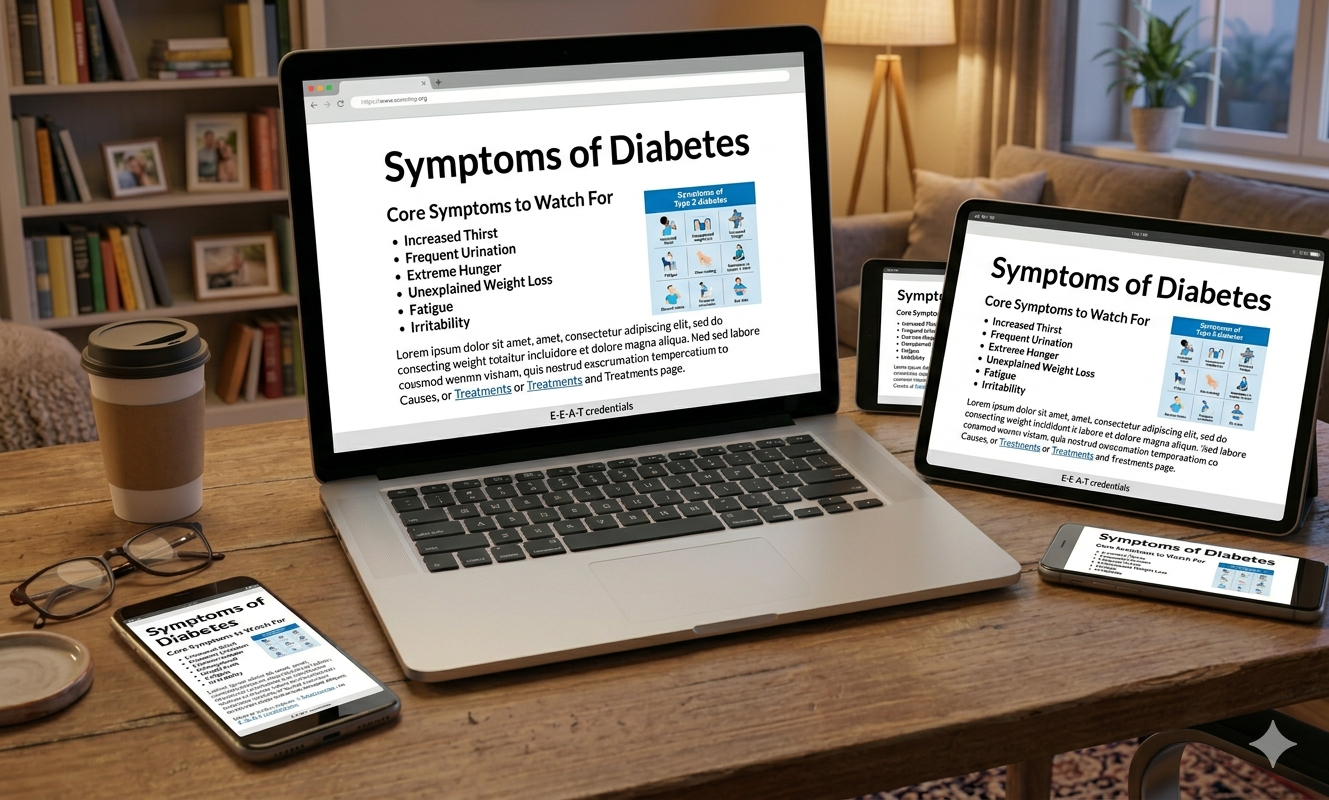
So where does that leave everyone else? Does the Internet really need another article listing the symptoms of diabetes?
Generic health content isn’t just underperforming—it’s becoming invisible. Here’s what’s changed, and what your healthcare brand can do differently going forward.
The Days of “Good Enough” Content Are Over
Before generative AI reshaped content marketing, “good enough” content actually worked!
Healthcare clients would often send me articles from competing sites and say, “Write something like this, but better.” While that approach wasn’t exactly creative, it was effective enough to drive traffic and engagement.
That’s no longer the case.
Today, healthcare brands are producing content faster than ever with AI. The result? Articles that are boring, bland, and easy to ignore. They’re polished, but generic. Structured, but forgettable.
When hundreds (or thousands) of articles say the same thing in slightly different ways, none of them stand out. And when your content doesn’t stand out, it doesn’t get read, shared, or trusted.
Why Doesn’t Generic Health Content Work Anymore?
Search engines have evolved, along with the way they evaluate content.
Generic content is destined to become invisible if you don’t make it stand out. It’s no longer enough to summarize commonly known information. Today, high-performing health content is expected to demonstrate:
- Firsthand, real-life experiences
- Clear credibility
- Trustworthy sourcing
- Depth of subject matter knowledge
- Originality in perspective or delivery
In short, successful health content feels real. Generic articles that repeat common knowledge without adding unique insights or perspectives simply won’t do anymore.
If your article could easily be generated (and replicated) by AI without adding anything new, it’s unlikely to perform well long-term.
This shift directly impacts trust—it’s not just about rankings. When readers encounter repetitive, surface-level content, your brand may seem less credible, even if the information itself is accurate.
Health Audiences Are Way More Selective Now
Today’s health audiences are paying closer attention to what they read—and who they trust.
They’re not just asking:
- Is this information accurate?
They’re also asking:
- Does this apply to me?
- Can I trust this information?
- Was this written by someone who actually understands?
Generic, one-size-fits-all content often cannot fulfill these expectations. In the health space, that’s especially important, because vague or impersonal information isn’t just unhelpful—it can feel unsafe. I often get that impression when reading generic health content.

Search Intent Has Become More Specific
Search behavior has changed dramatically over the years.
Remember when the Internet was young and we used search terms like, “healthy breakfast” and “leg workouts?” It’s funny to think we once searched that way, because those terms are so broad.
Today, broad search queries have been replaced with highly specific terms, such as:
- “High-protein soft foods after dental surgery”
- “Easy one-pot meals to combat chronic fatigue”
- “Fun exercises for seniors you can do sitting down”
These searches reflect real situations, real limitations, and real needs, and generic content rarely addresses them effectively.
AI can organize information—but it doesn’t understand lived experiences. It’s never felt pain from dental surgery or cooked a meal, and it can’t personally say which exercises are lots of fun.
Human writers bring context, empathy, and nuance—and that’s exactly what modern health content demands.

Avoiding Generic Health Content—What You Can Do
If generic content is fading away, what are your next steps?
Write With Humans in Mind
Today, the most effective health content is written with real people—and real situations—in mind.
AI cannot bring human experiences to the table, and that’s what you can focus on while writing.
This means going beyond “surface-level” advice and considering:
- What your audience is feeling
- What challenges they’re facing
- Which questions they’re trying to answer
Fulfilling these needs in your health content can make it feel more relevant, helpful, and trustworthy—because it reflects real life.
For example, instead of writing broadly about managing a condition, consider the smaller, everyday challenges your audience faces—like navigating meals at social events, or managing symptoms during a workday.
Be More Specific
Specificity is one of the easiest ways to stand out in a saturated content landscape. Broad topics are everywhere—focused topics are where the real opportunity is.
Instead of using a broad topic like:
- “Benefits Of a Keto Diet”
Try:
- “Keto + Intermittent Fasting For Weight Loss—Doing It Safely”
Practicing specificity in content writing shows:
- Deeper expertise
- Greater relevance to your audience
- Stronger alignment with search intent
Specificity also supports a stronger SEO strategy through topic clustering—helping you build authority in a more intentional way.
Not every health article needs to be personal—that wouldn’t fit in every scenario, and could get awkward. However, health content should always feel human and grounded in reality.
Write About Moments Your Audience Experiences
This is where health content can truly stand out. It’s a powerful writing concept in the age of AI—and one that’s often overlooked. It can easily be applied to any healthcare brand, and to medical marketing in general.
Instead of writing generally about conditions and treatments, focus on specific moments, or situations, your audience experiences.
Some good examples:
- “Bladder-Friendly Foods for Road Trips During Pregnancy”
- “Tips for Staying Calm Following a Melanoma Diagnosis”
- “Uh-Oh, the Condom Broke: What To Do Next”
These topics are specific, relatable, and deeply human. They reflect situations people actually face—which makes your content more engaging, more memorable, and far more useful.
The Bottom Line
AI is a powerful tool for healthcare content—but it shouldn’t be your entire strategy. The healthcare brands standing out today are combining AI’s efficiency with human insight.
Content that feels generic will be ignored. But content that reflects real-life experiences and scenarios is more trustworthy.
If your search rankings have dipped—or your content isn’t performing the way it used to—it may be time for a more human approach.
I’d love to help you refine your content, strengthen your voice, and create something your audience actually wants to read. Reach out to get started—I’d love to take a look at what you’re currently working with.


Leave a Reply